01Visa updates
The rules moved this month. We read each change for your petition.
White House orders H-1B program integrity and coordination measures
The White House issued an executive order on September 18, 2026, directing enhanced program integrity measures and interagency coordination in H-1B visa administration. The order addresses how the H-1B program is managed and administered. H-1B employers and workers should monitor for implementation guidance from DHS, DOL, and the State Department.
H-1B employers and workersWhite House restricts entry of certain H-1B nonimmigrant workers
White House issues a proclamation restricting entry of certain H-1B nonimmigrant workers. The new proclamation references Proclamation 10973 from September 2025, which the administration issued to address significant abuses in the H-1B visa program. Employers and workers in the H-1B category should confirm the specific provisions and effective date of the new proclamation.
H-1B employers and workersDHS proposes eliminating 60-day grace period for nonimmigrants
DHS proposes removing regulations that provide a 60-day grace period for certain nonimmigrant visa holders and dependents upon employment cessation or status expiration. The proposed rule would require workers to maintain active employment status or depart immediately, eliminating the current window for employment transitions or visa status transfers.
Nonimmigrant workers and employersUSCIS may now deny filings without issuing an RFE first
Policy Alert PA-2026-05 lets officers deny benefit requests that lack required initial evidence without a Request for Evidence or Notice of Intent to Deny. It took effect immediately and applies to pending cases too.
All petitionsAppeals court leaves the $100,000 H-1B fee invalidated
The First Circuit declined to block the Massachusetts district court decision vacating the fee, so USCIS is barred from collecting it while the case continues.
H-1B employersCourt blocks the freeze on benefits for travel ban countries
The District of Rhode Island struck down four USCIS policies that had paused processing for people from 39 countries covered by the presidential travel ban. Employment authorization and green card cases can move again.
39 nationalities02Blog
Latest Insights & Stories
 EB-2 NIWOct 7
National Interest Waiver for Entrepreneurs: Explained
 Oct 7
Oct 7EB-1 Green Card Evidence Requirements: What USCIS Accepts
 EB-1AOct 6
Researcher Green Card Options: EB-1A vs. EB-1B vs. EB-2 NIW
 O-1Oct 6
Researcher Visa Sponsorship: H-1B, J-1, O-1 & EB-2 NIW
 Oct 5
Oct 5EB-1 Green Card Recommendation Letters: Evidence-First Guide
 Oct 5
Oct 5Self-Sponsored Researcher Visa: A Complete Guide
 O-1Oct 3
O-1 Visa Requirements: Extraordinary Ability Explained
 EB-1AOct 3
EB-1 Visa for Researchers: EB-1A, EB-1B, or EB-2 NIW
 O-1Oct 3
How To Get an O-1 Advisory Opinion Letter
03As featured in
Where Jumpstart has been featured. Our research and our founders, in the press.
Trump's first year, in visa numbers
Aug 2026 · PTVEJA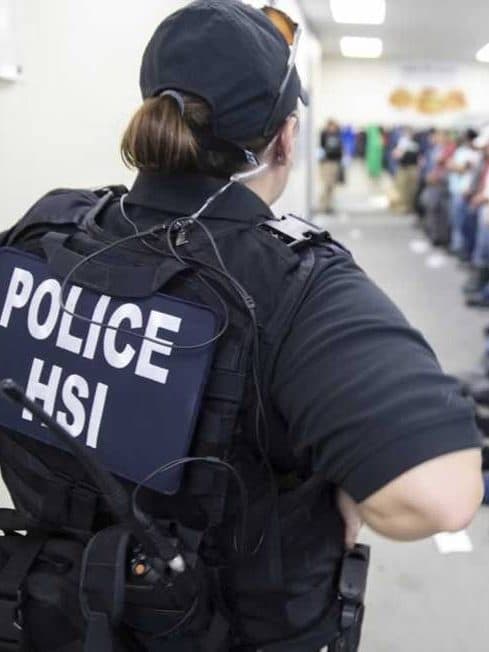
Skilled talent escapes the crackdown
Jul 2026 · PTO Globo.png&w=3840&q=75)
Brazil joins the Valley's top 6
May 2026 · PTNot Journal
Beyond big tech: Brazil's AI race
Apr 2026 · ENValor International
Forbes Under 30 joins as partner
Mar 2026 · PTStartups.com.br
Visa denied, fee refunded
Feb 2026 · PTExame
A new approach to immigration
Dec 2025 · ESForbes Centroamerica
Latin founders heading north
Sep 2025 · ESStartups LatamOn air
04Founder Brief
Founder Brief. Our weekly letter for founders building in the U.S.
05Original research
U.S. Visa Approval Rate History
Historical approval rates by visa category from FY 2015 to FY 2025 Q3. Trend lines, policy context, and filing-volume signals, all from USCIS source data.
View the full report